Memory and Future Creation: Rahul Chaudhury’s Tribute to Rameshwar Prem
Rahul Chaudhury’s tribute to his father, distinguished Hindi playwright Rameshwar Prem, transforms personal remembrance into cultural responsibility through TRPF’s collaborative cultural space with Mariyappa Studios in Rohini Sector 16, Delhi.
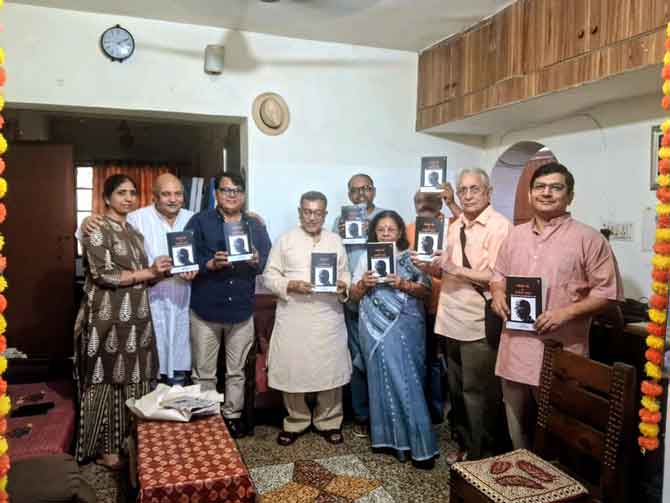
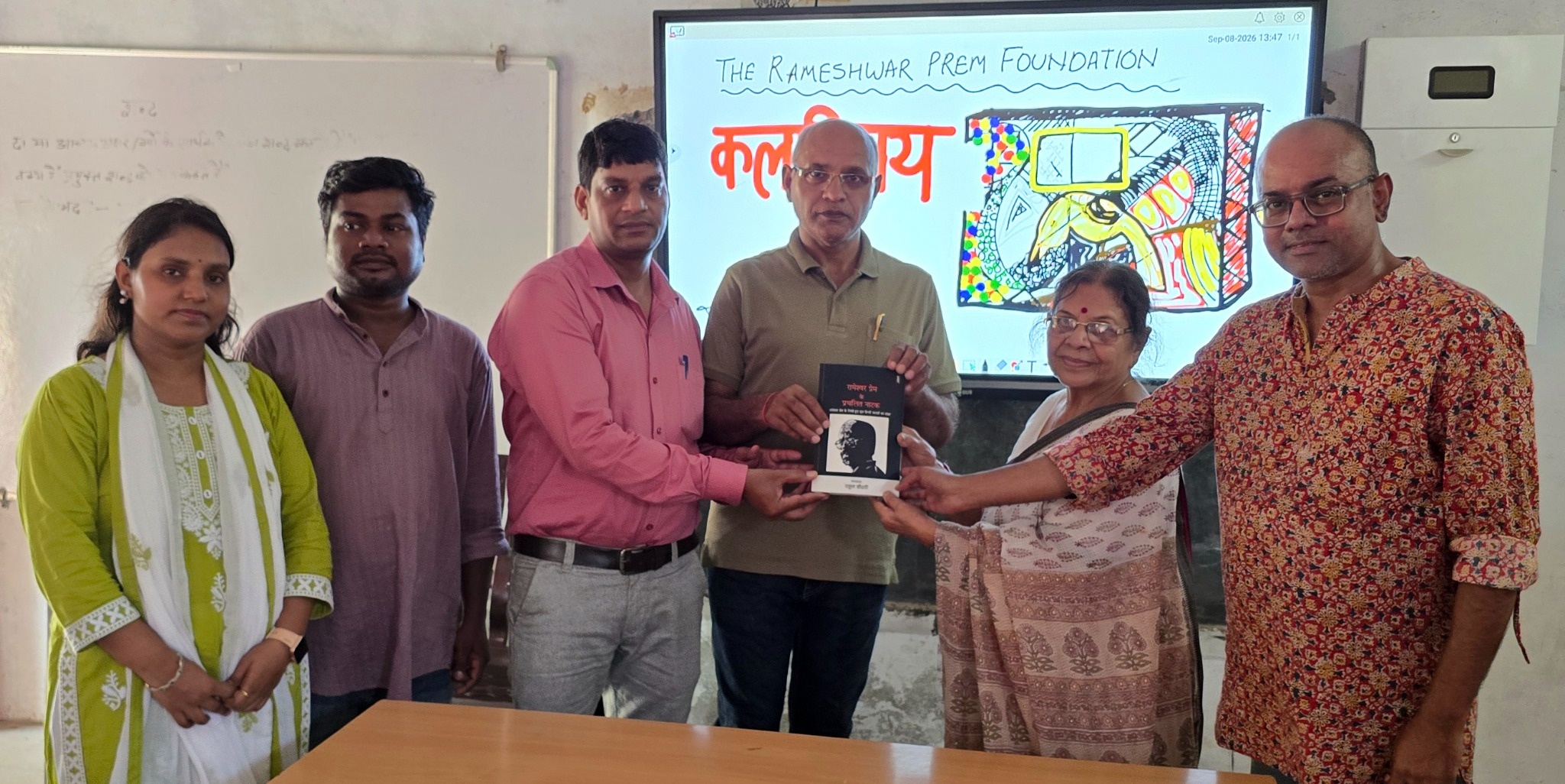
In his remembrance, The Rameshwar Prem Foundation initiated a co-working cultural space in collaboration with Mariyappa Studios in Rohini Sector 16, near Rithala Metro Station, Delhi. This initiative is more than the establishment of a physical workspace. It is an effort to transform personal grief into cultural responsibility. It is based on the belief that memory becomes meaningful when it encourages research, dialogue, artistic collaboration and new creative work.
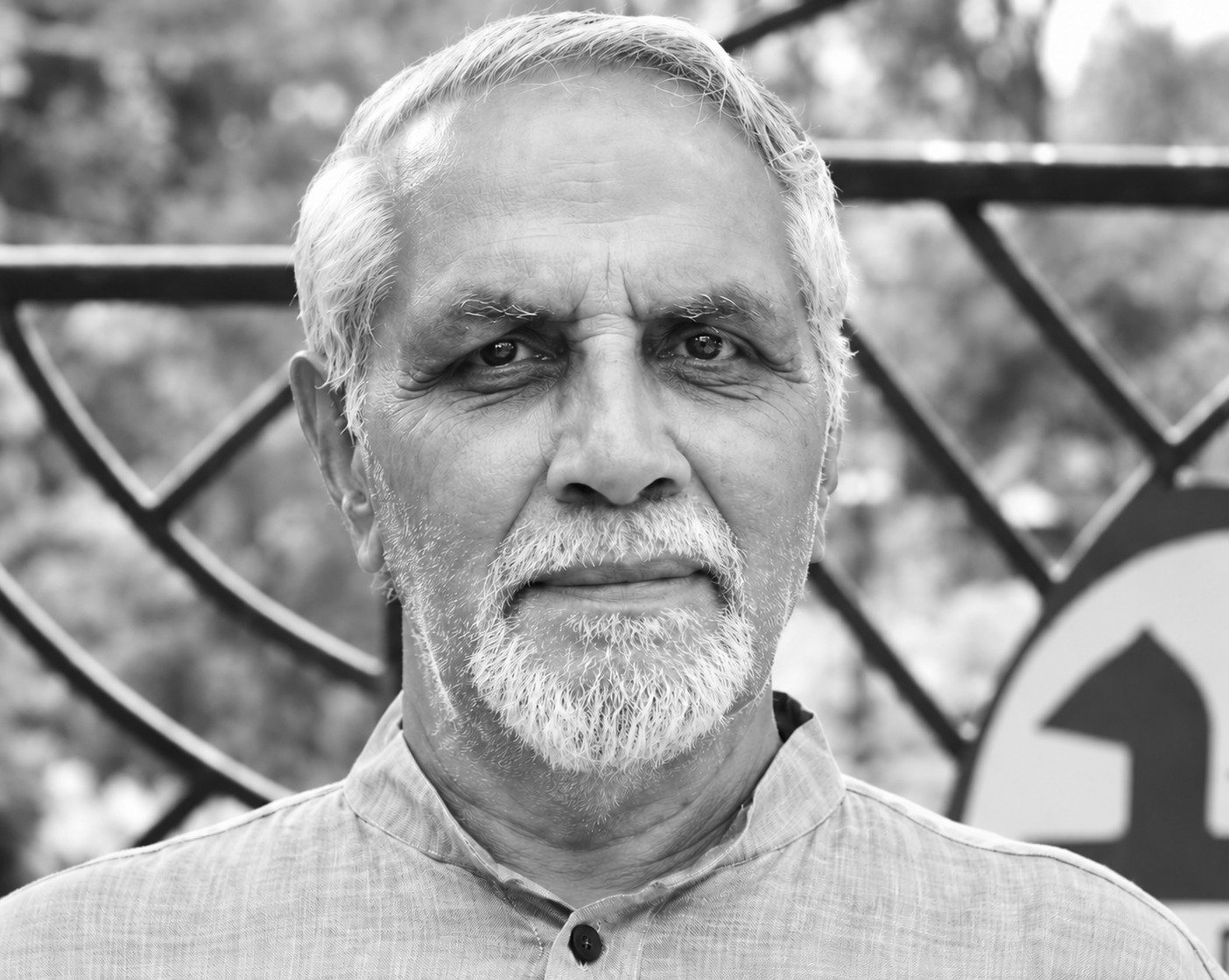
Rameshwar Prem was born on 3 April 1943 in Nirmali, Bihar. He completed his higher education in Hindi literature and entered the fields of poetry, fiction and theatre. Over time, playwriting became the central expression of his literary identity. He belonged to a generation of writers who helped modern Hindi theatre develop a socially engaged and intellectually challenging language.
His plays did not provide simple moral conclusions. Instead, they examined complex subjects such as caste, communal conflict, political authority, violence, displacement, loneliness, family tensions and the struggle for human dignity. His dramatic writing connected individual suffering with wider social and political structures. Through ordinary characters and difficult situations, he demonstrated how systems of power enter private life and shape human relationships.
Among his significant plays are Ajatghar, Charpai, Raja Nanga Hai, Camp, Antarang, Shastra Santan, Jal Damru Baje, Bazi, Kuntha, Kaalpatra and Suprimo. These works were performed and discussed within professional theatre institutions, university departments, repertory companies and independent theatre groups across India. They attracted directors, actors, designers, students and scholars because they combined theatrical imagination with serious social observation.
Ajatghar, first staged in 1973 by the theatre group Sambhav under the direction of Ram Gopal Bajaj, became one of Rameshwar Prem’s most recognised plays. Through characters trapped in an atmosphere of communal fear and social division, the play asks whether human relationships can survive identities created by caste, religion, prejudice and violence.
Another important play, Camp, examines the suffering of people displaced by war, conflict and political violence. It presents the emotional and social condition of individuals separated from their homes, families and familiar surroundings. The play remains relevant because forced migration, displacement, refugee crises and the loss of belonging continue to affect people across the world.
Rameshwar Prem understood theatre not simply as entertainment but as a means of investigating society and human existence. Many of his characters stand at the margins of social life. Their personal struggles are connected with caste hierarchies, political systems, institutional violence and historical change. His theatre therefore asks audiences not only to sympathise with suffering individuals but also to examine the social conditions that produce injustice.
His dramatic language was marked by tension, symbolism, silence and psychological complexity. He did not depend only on linear storytelling. He frequently created dramatic situations in which memory, fear, social pressure and inner conflict became central theatrical forces. His plays demand intellectual participation from audiences because their meanings emerge through dialogue, action, silence and unresolved moral questions.
In addition to playwriting, Rameshwar Prem wrote poetry and engaged with works from world theatre through adaptation and translation. He remained closely associated with the wider Indian theatre community and with important cultural institutions such as the National School of Drama and Bharat Bhavan.
His contribution to Hindi literature and theatre received recognition from several institutions. He was awarded a Senior Fellowship by the Ministry of Culture, Government of India, and also received recognition from the Hindi Academy, Delhi. In 2013, he received the Sangeet Natak Akademi Award for his distinguished contribution to Hindi playwriting.
A substantial part of Rameshwar Prem’s literary and theatrical legacy still requires systematic preservation, publication and scholarly research. His manuscripts, letters, photographs, personal notes, production records, theatre programmes, newspaper reviews and correspondence are not merely private family possessions. Together, they constitute an important cultural archive.
This archive can help future researchers understand not only the life and work of one writer but also the development of modern Hindi theatre during the second half of the twentieth century and the beginning of the twenty-first century. It can provide information about theatre groups, directors, actors, repertory institutions, performance practices, publication histories and the social concerns that shaped Hindi drama during this period.
The Rameshwar Prem Foundation was established with the conviction that cultural memory must remain active and accessible. Remembering an artist cannot be restricted to an annual memorial ceremony or the placing of flowers before a photograph. A meaningful tribute requires documentation, preservation, digitisation, publication, translation, performance, education and critical discussion.
Cultural memory survives only when it is made available to readers, artists, students and researchers. Manuscripts must be preserved before they deteriorate. Photographs and production documents must be catalogued. Plays must be republished, translated and performed. Oral histories must be recorded before personal memories are lost. Such activities transform remembrance into a continuing cultural practice.
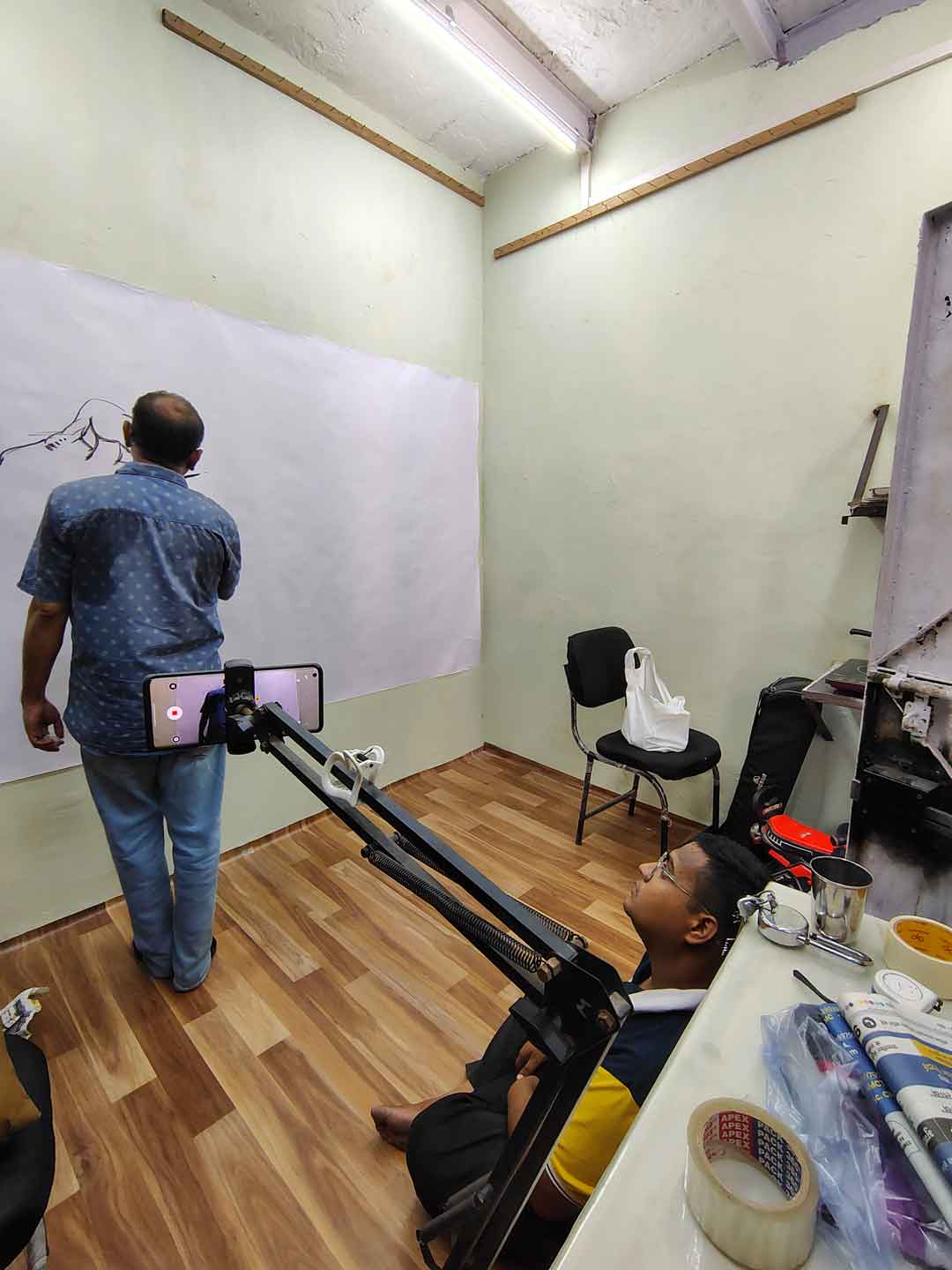
The collaborative space developed with Mariyappa Studios in Rohini Sector 16 carries this vision forward. It is intended to function as a meeting and working place for writers, visual artists, theatre practitioners, students and researchers. Within this space, manuscripts may be studied, performances planned, archives examined, workshops organised and collaborative cultural projects developed.
Its location in Rohini Sector 16, near Rithala Metro Station, is also culturally significant. Artistic and intellectual activities in Delhi should not remain concentrated only in established central districts such as Mandi House. New cultural spaces in different parts of the city can bring creative work closer to wider communities and create opportunities for artists who may not have easy access to conventional institutions.
As the son of Rameshwar Prem, my relationship with his legacy is both personal and institutional. I remember the discipline of his writing, the solitude of his creative process and the seriousness with which he observed society. I also recognise how vulnerable an artist’s legacy becomes when manuscripts, photographs, correspondence and production histories are not systematically preserved.
My tribute to him must therefore continue through sustained cultural action. Every preserved manuscript, translated play, documented performance, publication, workshop, archive and artistic conversation can become part of this continuing responsibility. The purpose is not merely to protect the past but to allow the past to enter into dialogue with the present.
The cultural space created in his memory is a modest beginning, but it carries a larger hope. It is dedicated to Rameshwar Prem, yet it is directed towards the future. It seeks to provide a platform where young writers may discover their voices, emerging artists may receive opportunities, researchers may study neglected histories and collaborative cultural practices may develop.
Rameshwar Prem left this world on 18 August 2023, but the human and social questions raised by his writings remain alive. His plays continue to speak about violence, prejudice, displacement, authority, loneliness and the search for dignity. Their relevance lies in their ability to connect private pain with the wider structures of society.
In August, we remember him not only with sorrow but also with gratitude, responsibility and renewed creative determination. The doors of this cultural space open in his memory, but they also open towards dialogue, scholarship, imagination and future creation.
In this way, remembrance becomes more than an act of looking backwards. It becomes a foundation for cultural continuity and new artistic possibilities.