Museum Projects
A living cultural programme dedicated to theatre, literature, visual memory, archival preservation, public education and the creative legacy of Rameshwar Prem.
Projects as Living Archives
The projects of The Rameshwar Prem Foundation are not planned merely as events. They are imagined as long-term cultural processes through which plays, poems, stories, manuscripts, photographs, recordings, theatre memories, artistic practices and community participation can be documented, preserved and presented to the public.
Preservation
Collecting, arranging and presenting documents, photographs, writings and theatre material.
Performance Memory
Recalling plays, directors, actors, rehearsals, performances and the living tradition of theatre.
Workshops
Conducting workshops for children, students, artists and the public through art and storytelling.
Documentation
Creating structured research material, digital records, catalogues and interpretive content.
Foundation Project Gallery
The Foundation Project Gallery presents three principal museum-based projects: Eclectics, Relicmongers and Studio Spaces.
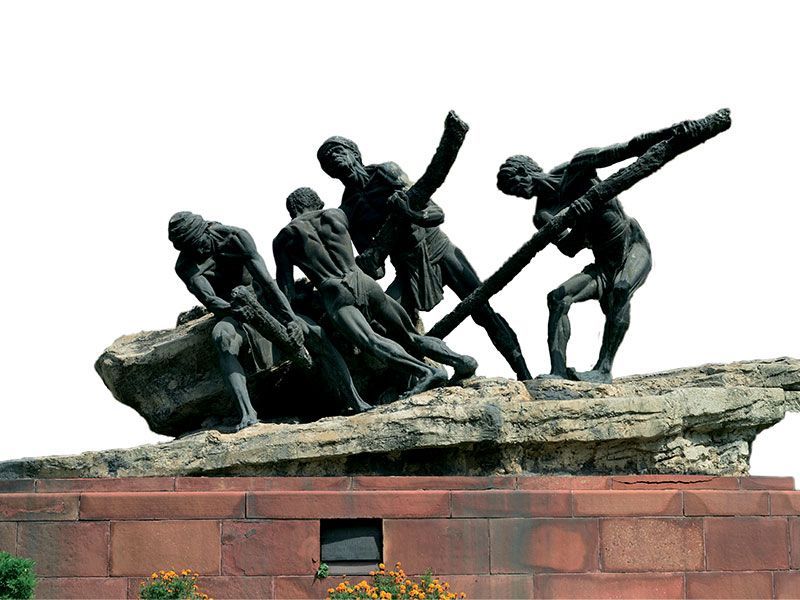
Eclectics
Eclectics is an effort taken by the artists themselves to discuss the new and happening things around us. It started around 2002 with 14 artists. No elaborate projects were introduced but it was just a discussion group of the artists.
About Eclectics
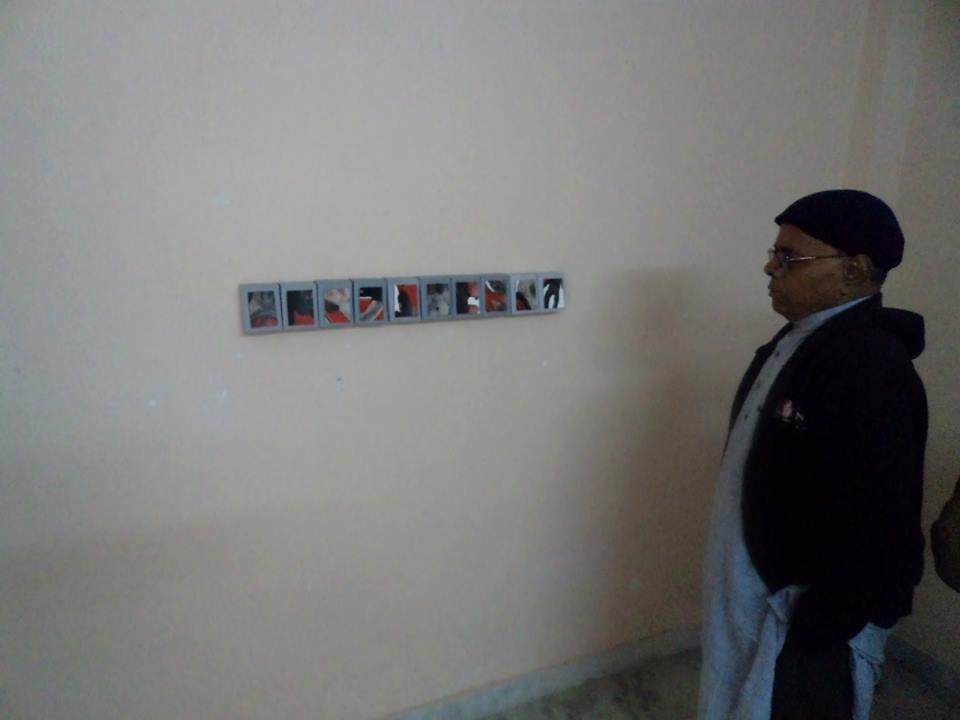
A Foundation Built Around Cultural Continuity
The aim of these projects is to carry the memory of theatre, literature and art into the public domain through exhibitions, workshops, research, performances, publications and digital presentation.
How the Projects Will Grow
Archival material, photographs, letters, scripts, publications and memories are gathered.
Each item is classified, described, photographed and prepared for museum-style presentation.
The material is presented through exhibitions, web pages, workshops and catalogues.